
Mayors
In this section
Showing default section content
Edward “Doc” Dammers (1925-1928)
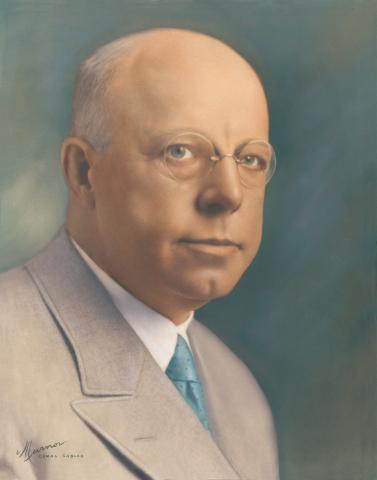
As Coral Gables’ first mayor, Edward “Doc” Dammers helped guide the young city through its earliest and most defining years. Serving during a formative period in the 1920s, he worked alongside founder George E. Merrick to establish the framework of municipal governance that would support the City Beautiful’s long-term growth. His leadership came at a time of both optimism and uncertainty, as Coral Gables transitioned from vision to reality amid the challenges of the Florida land boom and subsequent economic shifts. Through his steady stewardship, Mayor Dammers played a key role in laying the foundation for a community grounded in thoughtful planning, civic pride, and a commitment to public service—principles that continue to shape Coral Gables today.
P.E. Montanus (1928- 1929)
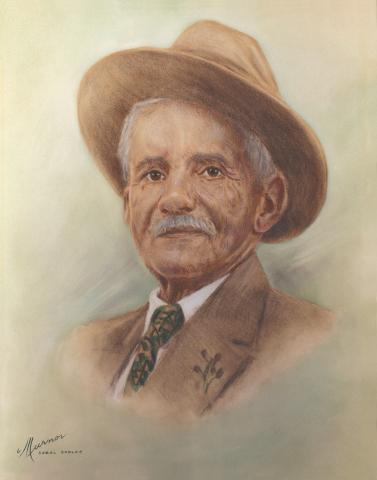
Phillip Edward Montanus served as the second mayor and the first elected mayor of Coral Gables, assuming office in 1928 during a pivotal period in the young city’s history. A successful manufacturer, banker, and civic leader, he brought extensive financial and management experience to local government. His administration focused on strengthening fiscal oversight and restoring public confidence as Coral Gables faced economic and administrative challenges following its founding years. Under his leadership, the city initiated a comprehensive review of municipal finances and operations to help establish a more stable foundation for future growth. Montanus’ tenure reflected a commitment to responsible governance, transparency, and sound financial management at a formative moment in the development of the City Beautiful.
C. Lee McGarr (1929 – 1931)
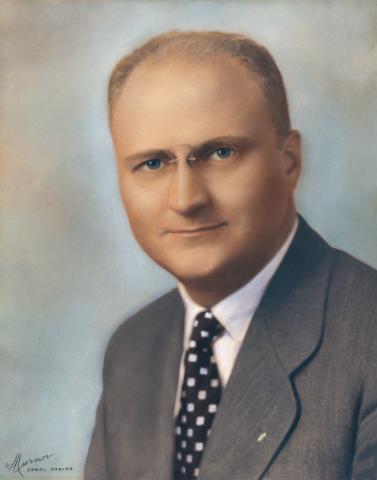
C. Lee McGarr served as mayor of Coral Gables from 1929 to 1931, guiding the city during the early years following its founding and the onset of the Great Depression. A stability- and governance-focused leader, he worked with the City Commission to address financial and administrative challenges while maintaining the planning principles that define the City Beautiful. His tenure emphasized strengthening municipal operations, supporting residents, and preserving community standards during a period of economic uncertainty. McGarr’s leadership helped establish a foundation of responsible governance and resilience, ensuring that Coral Gables remained committed to its founding vision during one of the most challenging periods in its early history.
Vincent D. Wyman (1931 – 1937)
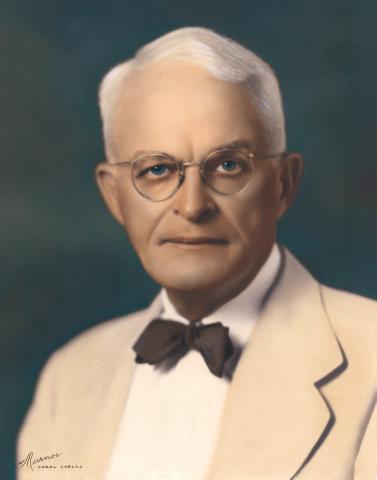
Vincent D. Wyman served as mayor of Coral Gables from 1931 to 1937, guiding the city through the height of the Great Depression. A recovery- and continuity-focused leader, he worked with the City Commission to sustain municipal services and stabilize city operations during a prolonged period of economic hardship. His tenure emphasized careful management, preservation of community standards, and maintaining the planning vision that defines the City Beautiful. Under his leadership, Coral Gables remained resilient, continuing to function effectively despite financial constraints. Wyman’s service reflects a steady commitment to governance and the long-term stability of the city during one of the most difficult periods in its history.
Roscoe E. Brunstetter (1937 – 1939)
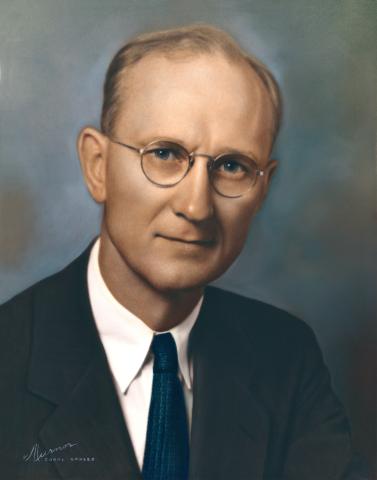
Roscoe E. Brunstetter served as mayor of Coral Gables in 1939, during a brief but important transitional period as the city moved from recovery toward renewed growth. A continuity- and service-focused leader, he worked with the City Commission to maintain essential municipal operations and uphold the standards that define the City Beautiful. His tenure reflected a focus on stability, ensuring that Coral Gables remained well-managed as it emerged from the challenges of the Great Depression and approached a new era of development. Brunstetter’s leadership contributed to the city’s ability to sustain its identity and prepare for the changes that would follow in the years ahead.
Paul McGarry (1939 -1941)
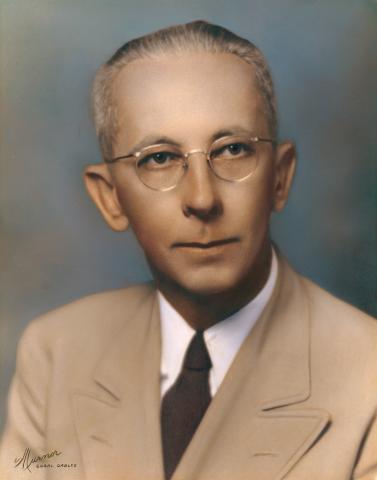
Paul D. McGarry served as mayor of Coral Gables from 1939 to 1941, guiding the city during the closing years of the Great Depression and the approach of World War II. A stability- and transition-focused leader, he worked with the City Commission to maintain essential municipal services and uphold the planning principles that define the City Beautiful. His tenure emphasized continuity in governance, careful management of city operations, and support for residents during a period of economic recovery and growing global uncertainty. As the city prepared for the challenges ahead, McGarry’s leadership helped position Coral Gables for resilience and stability, reflecting a steady commitment to responsible governance and the continued development of the community.
Joe Whitley (1941 – 1943)
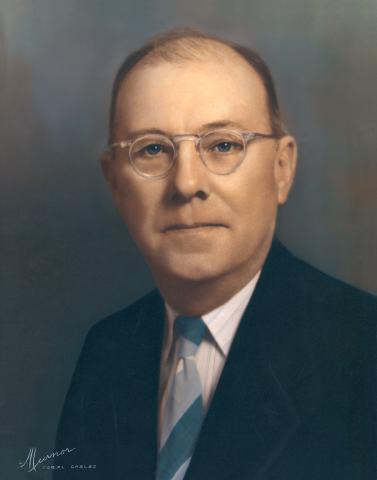
Joe Whitley served as mayor of Coral Gables from 1941 to 1943, guiding the city at the onset of World War II. A stability- and service-focused leader, he worked with the City Commission to maintain essential municipal services and support residents during a time of national uncertainty and resource constraints. His tenure emphasized continuity in governance, preservation of community standards, and the efficient management of city operations as Coral Gables adjusted to wartime conditions. During his term, city founder George Merrick passed away on March 26, 1942, and Mayor Whitley served as an honorary pallbearer, reflecting the significance of the moment in Coral Gables history. His leadership helped ensure that the City Beautiful remained resilient and well-managed during a challenging period.
Thomas C. Mayes (1943 – 1947)
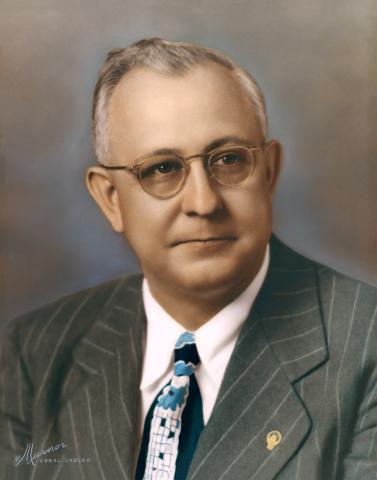
Thomas C. Mayes served as mayor of Coral Gables from 1943 to 1947, overseeing the city during the closing years of World War II and the beginning of the postwar era. A civic- and community-focused leader, he helped guide Coral Gables through a period of transition as returning veterans, new residents, and economic growth reshaped communities across South Florida. His administration focused on maintaining the high standards and planning principles that define the City Beautiful while preparing the city for long-term growth and modernization. Under his leadership, Coral Gables continued to strengthen municipal services and preserve its distinctive residential character during a time of significant national change. Mayor Mayes’ service reflects a commitment to thoughtful governance and the city’s continued progress following the war.
W. Keith Phillips, Sr. (1947 - 1951 and 1957 – 1959)
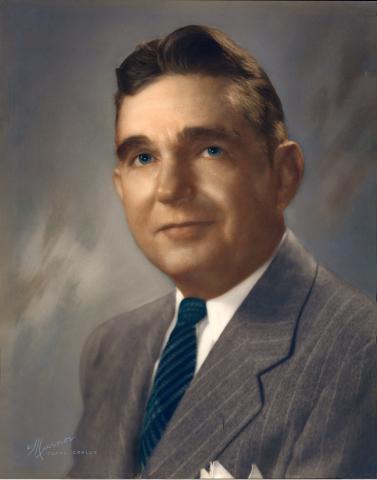
W. Keith Phillips Sr. served as mayor of Coral Gables across two terms, providing steady leadership during a period of postwar growth and civic development. A service- and civic-minded leader, he emphasized maintaining community standards, supporting infrastructure, and ensuring that growth aligned with the planning principles of the City Beautiful. Beyond his time in office, Phillips played a significant role in shaping the broader South Florida community, including helping establish the Orange Bowl as a major tourism event while serving as president of the Miami Chamber of Commerce. He also supported the founding of the Lighthouse for the Blind and was part of the group that launched Florida’s first independent television station, WCIX.
David H. Hendrick, Jr. (1951 – 1955)
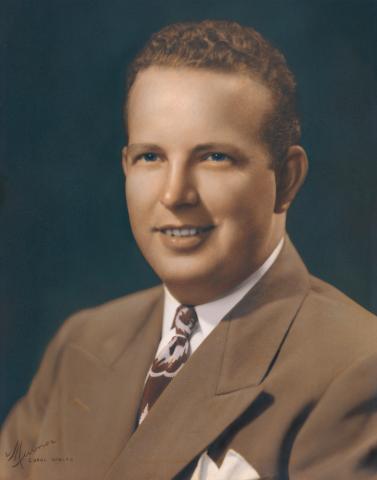
David H. Hendrick Jr. served as mayor of Coral Gables in the early 1950s, helping guide the city during a period of postwar growth and civic development. Among the youngest individuals elected to the City Commission, he brought energy and a strong sense of public service to local government. During his tenure, he supported the continued expansion of municipal services and reinforced the planning principles that define the City Beautiful. Hendrick was also active in the community through leadership roles with the Coral Gables Chamber of Commerce and Rotary Club, reflecting a deep commitment to civic life and the continued advancement of Coral Gables.
Fred B. Hartnett (1955 – 1957)
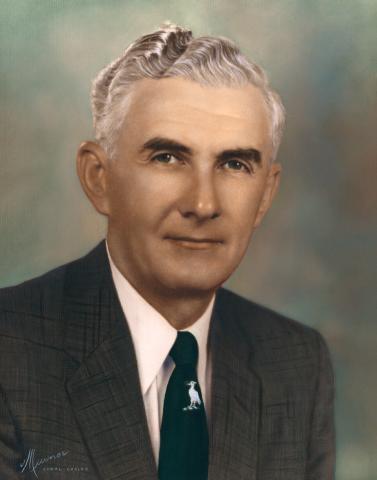
Fred B. Hartnett served as mayor of Coral Gables from 1955 to 1957, following many years on the City Commission and earlier service as the city’s Director of Finance. Arriving in Miami in 1925 — the same year Coral Gables was founded — he played an early role in shaping the city’s development, including helping restructure municipal tax rolls during a critical period in 1931. His leadership reflected a strong commitment to maintaining the order, planning, and beauty envisioned for the City Beautiful. Beyond public office, Hartnett was active in business and civic life and was a founding member of the Church of the Little Flower. His service helped reinforce the principles of thoughtful growth and community identity that continue to define Coral Gables.
John M. Montgomery (1959 – 1961)
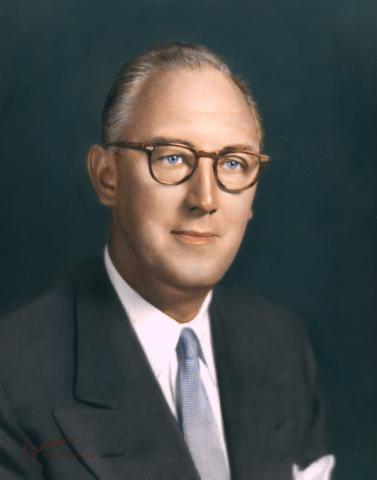
John M. “Jack” Montgomery served as mayor of Coral Gables following several terms on the City Commission, bringing extensive experience in both public service and private enterprise. A business- and service-oriented leader, he drew on his background as the owner of a local roofing company to support practical, results-driven governance. His tenure emphasized strengthening municipal services, maintaining infrastructure, and ensuring that Coral Gables continued to meet the needs of a growing postwar community. Having worked closely with fellow commissioners in prior years, Montgomery helped advance a collaborative approach to city leadership. He served as mayor from 1959 to 1961, reflecting commitment to steady governance and the continued development of the City Beautiful.
Robert L. Searle (1961 – 1963)
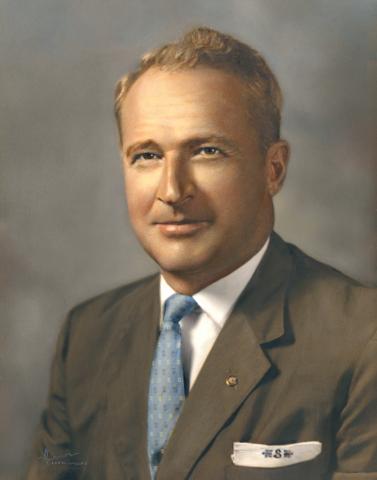
Robert Searle served as Coral Gables mayor from 1961 to 1963, guiding the city during a period of steady growth and civic progress. Known for his collaborative leadership, he strengthened municipal cooperation through his work with the Dade League of Municipalities and supported sound, fiscally responsible governance. A business owner and civic leader, Searle was a founding member of Doctors Hospital, South Miami Hospital, and the Bank of Coral Gables. He also served nearly 30 years on the city’s Retirement Board and was an active member of the Coral Gables Chamber of Commerce. His legacy reflects a lifelong commitment to public service and to building institutions that continue to serve the Coral Gables community.
Joseph H. Murphy (1963 – 1965)
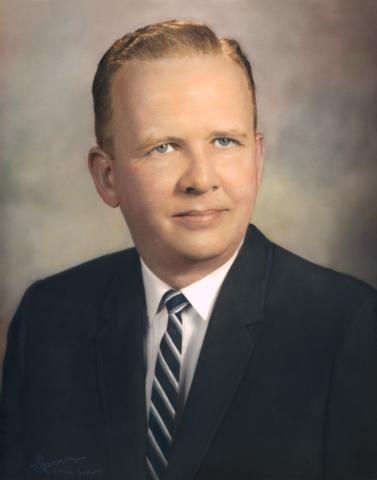
Joseph H. Murphy served as mayor of Coral Gables from 1963 to 1965, following earlier service as a city commissioner, helping guide the community during a period of civic growth and modernization. During his tenure, he played a key role in advancing government transparency by establishing a city policy that opened public meetings to residents and the press—years before similar requirements were adopted statewide through Florida’s Sunshine Law. His leadership emphasized accountability, accessibility, and public engagement. Murphy’s service helped strengthen trust in local government and reinforced a tradition of open governance that continues to define Coral Gables today.
C.L. Dressel (1965 – 1971)
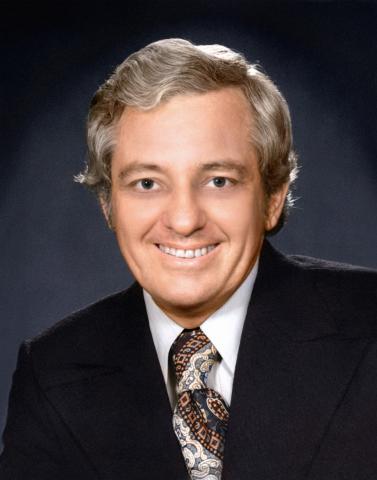
C.L. “Jerry” Dressel served as mayor of Coral Gables, bringing a business-minded approach and strong civic commitment to his leadership. A longtime resident, he was active in local organizations, including the Coral Gables Rotary Club and Boy Scouts, reflecting a deep dedication to community service. During his tenure, he focused on maintaining the city’s high standards, supporting municipal services, and preserving the quality of life that defines the City Beautiful. Beyond public office, Dressel built a successful career in the ice cream industry, owning and operating multiple stores throughout South Florida. His leadership and community involvement exemplify the spirit of service and engagement that has shaped Coral Gables over generations.
W. Keith Phillips Jr. (1971 – 1973)
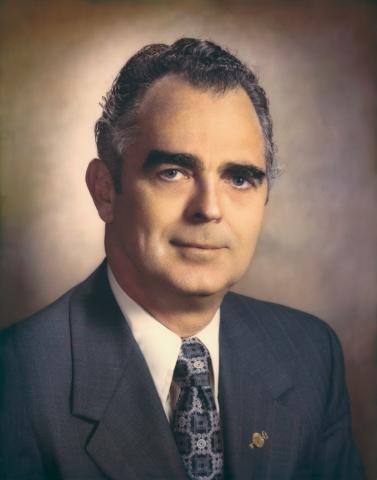
W. Keith Phillips Jr. served as mayor of Coral Gables with a deep commitment to public service and the community he called home. A preservation- and legacy-focused leader, he recognized the opportunity to restore the historic Biltmore Hotel after its use as a veteran’s hospital had ended. Through direct outreach and meetings in Washington, D.C., he helped secure the return of the property to the City of Coral Gables, with the deed presented by Julie Nixon Eisenhower, paving the way for its restoration as a landmark destination. In recognition of the Phillips family’s enduring service, Phillips Park was named in their honor.
Robert Knight (1973 – 1977)
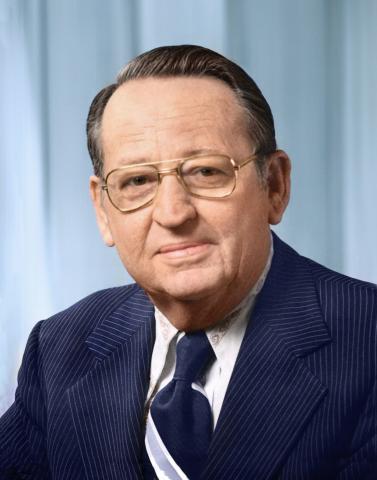
Robert Knight served as mayor of Coral Gables, helping guide the city through a period of evolving development and increasing attention to planning and design. A planning- and growth-focused leader, he worked with the City Commission to strengthen zoning and land-use oversight while maintaining the architectural standards that define the City Beautiful. His administration supported efforts to manage growth responsibly, enhance municipal services, and protect neighborhood character as the city continued to mature. Knight’s leadership helped reinforce a balanced approach to development—one that aligned progress with preservation. He served as mayor from 1973 to 1977, reflecting a steady commitment to thoughtful governance and the continued advancement of Coral Gables.
James Dunn (1977 – 1981)
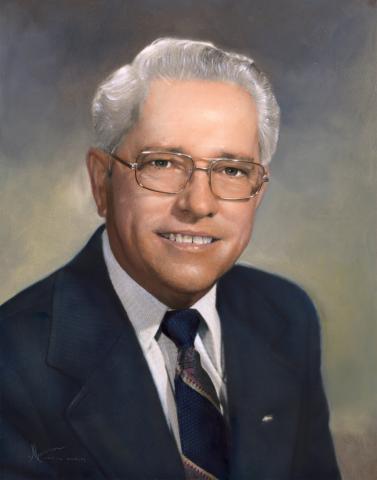
James “Jimmy” Dunn served as mayor of Coral Gables from 1977 to 1981, guiding the city during a period of transition and renewed focus on community character and municipal services. A governance- and neighborhood-focused leader, he worked with the City Commission to strengthen local services, public safety, and the quality of life for residents. His tenure emphasized responsible planning, public safety, and preserving the quality of life for residents as Coral Gables continued to evolve. Dunn supported efforts to balance growth with the protection of established neighborhoods, reinforcing the city’s commitment to thoughtful development. His leadership reflects a steady dedication to responsive governance and the continued advancement of Coral Gables.
William Chapman (1981 – 1985)
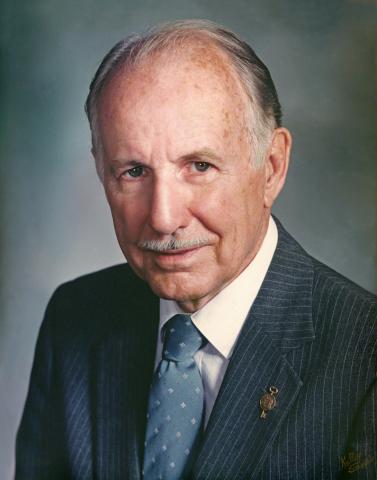
William “Bill” Chapman served as mayor of Coral Gables from 1981 to 1985, guiding the city through a period of renewed focus on planning, design, and downtown revitalization. His administration played a key role in advancing the “Mediterranean Ordinance,” reinforcing the architectural standards that define the City Beautiful and preserving its distinctive character. During his tenure, Chapman also supported the continued development and revitalization of Miracle Mile, strengthening Coral Gables’ commercial core. He worked closely with the City Commission to enhance planning efforts and ensure that growth aligned with the city’s founding vision. Mayor Chapman’s leadership reflects a commitment to thoughtful development, architectural integrity, and the long-term vitality of Coral Gables as a premier community.
Dorothy Thomson (1985 – 1987)
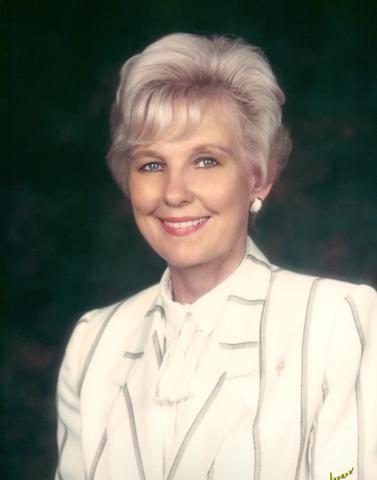
Dorothy Thomson served as mayor of Coral Gables with a strong commitment to historic preservation and community enhancement. A preservation- and community-focused leader, she holds the distinction of being the first—and to date, only—woman to serve as mayor in the city’s 100-year history. Her tenure is notably marked by the restoration of the Biltmore Hotel after 18 years of abandonment and the adoption of the landmark Mediterranean Architecture Ordinance. In recognition of her trailblazing leadership and lasting contributions, a city park was named in her honor. Mayor Thomson’s service reflects a dedication to preserving the character of the City Beautiful while advancing its future, and she remained actively engaged in city events well into her 90s.
George M. Corrigan (1987 – 1993)
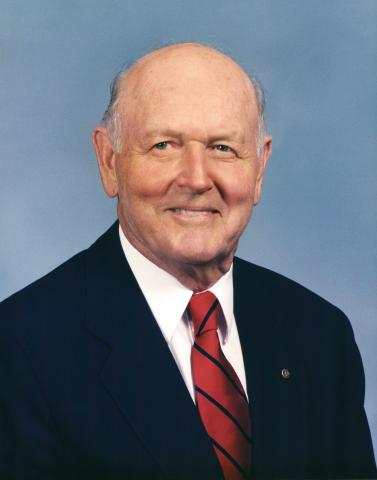
George M. Corrigan served as mayor of Coral Gables from 1987 to 1993, guiding the city through three terms of steady leadership and civic engagement. A lifelong resident and U.S. Navy veteran he brought private-sector experience as a retail executive and banking leader to public service. His tenure emphasized community involvement, economic vitality, and the continued enhancement of Coral Gables’ commercial and civic spaces, including early efforts to revitalize Miracle Mile. Corrigan also helped lead the city in the aftermath of Hurricane Andrew, supporting recovery efforts during one of South Florida’s most challenging periods. Beyond his time in office, he remained deeply engaged in charitable and civic organizations, reflecting a lifelong commitment to service.
Raúl Valdés-Fauli (1993 – 2001 and 2017 – 2021)
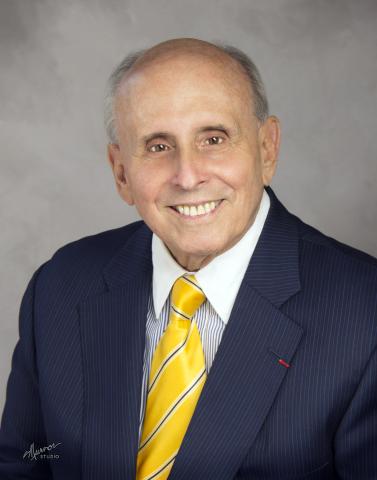
Raúl Valdés-Fauli is the longest-serving mayor in Coral Gables history, guiding the city through six terms spanning several decades. As the city’s first Cuban American mayor, his leadership has emphasized preserving the City Beautiful’s character while advancing thoughtful growth, cultural enrichment, and fiscal stability. During his tenure, transformative projects helped shape the modern city, including the creation of Shops at Merrick Park on the site of a former municipal solid waste facility, revitalizing the surrounding neighborhood; the addition of a tree-lined median on Miracle Mile; and the introduction of the city’s iconic royal palms along U.S. 1. Under his leadership, Coral Gables experienced historically low crime rates while strengthening its reputation as a premier residential and business community.
Don Slesnick (2001 – 2011)
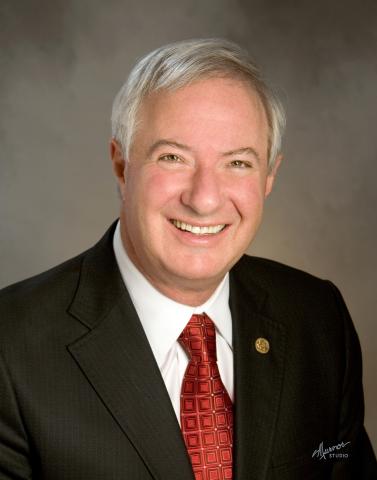
Don Slesnick served as mayor of Coral Gables with a focus on strengthening neighborhoods, enhancing public safety, and guiding the city into the 21st century. A preservation- and community-focused leader, his tenure included leadership during the events of September 11, 2001, as well as multiple hurricane recoveries and the Great Recession, when Coral Gables demonstrated resilience and unity. His administration advanced key initiatives, including the launch of the Coral Gables Trolley, construction of the city’s first new parking garage in decades, and the establishment of the Coral Gables Museum and Coral Gables Art Cinema. Additional improvements included the installation of the palm tree median on Ponce de Leon Boulevard. His leadership reflects a commitment to preserving the City Beautiful’s character while advancing its future.
Jim Cason (2011 – 2017)
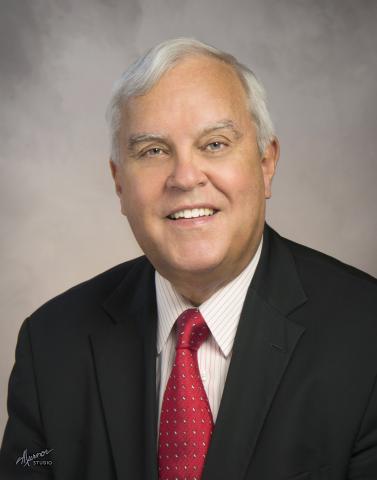
Jim Cason served as mayor of Coral Gables from 2011 to 2017, emphasizing responsive governance, fiscal stability, and community engagement. During his tenure, the city restored its AAA bond rating, strengthened financial reserves, and implemented pension reforms that improved long-term sustainability. His administration advanced major infrastructure and quality-of-life initiatives, including the transformation of Miracle Mile and Giralda Plaza, expansion of the trolley system, and development of a new Senior Center. The city also supported the launch of the Underline, introduced electric vehicles into the municipal fleet, and began planning for sea level rise. Under his leadership, Coral Gables enhanced public safety, reduced crime, and reinforced its reputation as a well-managed and forward-looking community.
Vince Lago (2021 – Current)
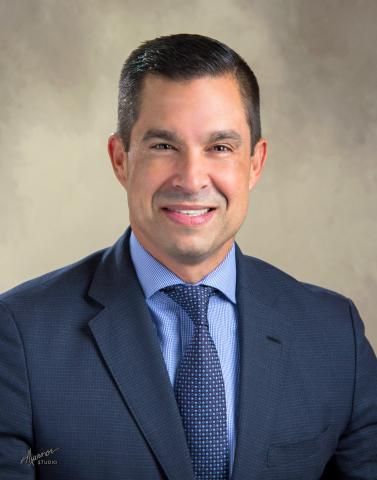
Vince Lago serves as mayor of Coral Gables with a focus on public safety, quality of life, and strengthening community engagement. The youngest person elected to serve as mayor in the city’s history, his tenure has emphasized infrastructure investment, mobility improvements, and sustainability initiatives while maintaining the high standards that define The City Beautiful. Under his leadership, the city has expanded parks and green space, particularly in the downtown area, and supported the acquisition of public art by renowned artists. Mayor Lago has also prioritized transparency through weekly office hours and community referendums in 2026, reinforcing a responsive and accountable approach to governance. His leadership reflects a commitment to preserving Coral Gables’ character while positioning the city for continued success.